Best Apps for Office Stretching Reminders: A Curated Review
Health Enthusiast: A Holistic Guide and History of Healthy Living Welcome to Health Enthusiast, your trusted portal for exploring the roots of medical history and finding the best healthy lifestyle tips. Through https://www.ratirossie.cfd/, we bridge insights into the history of human health with the most up-to-date information on healthy living tips. Discover the origins of various nutritional diet guidelines, learn about the evolution of exercise routines over time, and understand proven methods for maintaining mental and physical health. Make this platform your daily partner in achieving a better and more balanced quality of life holistically. Thank you and happy reading.
The Hidden Cost of the Nine-to-Five Grind
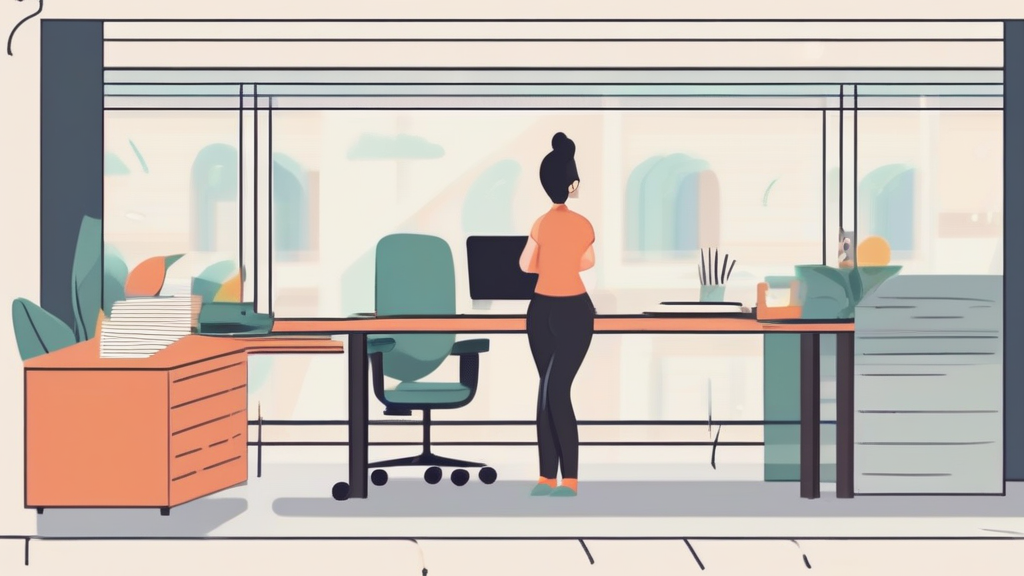
We’ve all been there. You’re three hours deep into a project, staring at a spreadsheet, and suddenly you realize your shoulders are up by your ears and your lower back feels like it’s been put through a meat grinder. It’s the classic desk-job trap. We get so locked into our tasks that we forget our bodies aren’t meant to be statues. If you are looking for a guide to light stretching at the office to reduce aches and pains, you’ve landed in the right place. Sitting for extended periods often leads to what experts call sedentary lifestyle risks. These aren't just minor inconveniences; they are cumulative stressors that eventually lead to chronic discomfort. I used to think that "pushing through the pain" was a sign of productivity. Spoiler alert: it’s not. It’s a fast track to burnout and physical misery. After years of dealing with tension headaches and stiff joints, I finally realized that my body needed a nudge. Sometimes, that nudge needs to be digital.Why You Need a Digital Nudge for Movement
Human beings are notoriously bad at remembering to take care of themselves when the inbox is overflowing. We prioritize the urgent over the important, and our physical health almost always ends up on the back burner. That’s why I started using automated reminders. When an app pings your screen to tell you to stand up, it disrupts the "flow" just enough to break your static posture. It’s not about stopping your work; it’s about recalibrating your physical state. Small, frequent movements are vastly superior to one massive, hour-long gym session at the end of the day. Think of it as a mechanical interaction between your body and your furniture. If you don't adjust your position, the repetitive strain starts to accumulate. Apps provide the accountability we lack when we are deep in the zone.Top Apps to Keep You Moving
There is a dizzying array of software out there, but not all of them are created equal. Some are too intrusive, while others are too easy to ignore. I’ve tested a handful that strike the right balance between helpful and annoying.1. StretchClock
This is a classic for a reason. It’s straightforward and doesn’t try to do too much. It sits in your browser or desktop and offers gentle prompts to perform quick stretches. What I love is that the stretches are specifically designed for people in business attire who don't want to break a sweat or look ridiculous in front of their coworkers.2. Stand Up!
If you struggle with the "just five more minutes" trap, this is for you. It’s a simple interval timer that forces you to acknowledge when it's time to stand. It’s highly customizable, so if you have a standing desk, you can set it to remind you to switch positions throughout the day.3. Break Time (for Mac users)
This app is brilliant because it’s a bit of a "hard" break. It can lock your screen or overlay a notification that makes it impossible to ignore. It’s perfect for those of us who tend to hyper-focus until our eyes start burning.A Guide to Light Stretching at the Office to Reduce Aches and Pains
When the notification finally pops up, don't just stand up and sit back down. You need a structured approach to actually relieve the tension. Following a guide to light stretching at the office to reduce aches and pains doesn't require a yoga mat or special gear. Start with your neck. Gently tilt your ear toward your shoulder, holding for a few seconds on each side. Follow this with a slow, controlled rotation of your shoulders. Most of our tension is stored in the trapezius muscles, and a few rolls can make a world of difference. Next, focus on your wrists. If you’re typing all day, your forearms are likely screaming for relief. Extend your arm, palm out, and gently pull your fingers back with your other hand. This simple maneuver mitigates the strain caused by repetitive typing.The Importance of Consistency Over Intensity
One of the biggest mistakes people make when starting a stretching routine is going too hard. They treat it like a workout, trying to force their muscles into deep, painful positions. That is the exact opposite of what you want to achieve. The goal here is mobility, not flexibility training. You aren't trying to become a gymnast. You are trying to undo the damage of sitting in a chair for eight hours. Keep your movements slow, fluid, and pain-free. If it hurts, you’ve gone too far. Consistency is your secret weapon. Doing three minutes of stretching every hour is infinitely better than doing thirty minutes once a week. It’s about creating a rhythm for your body that mimics the natural movement we were evolved to perform.Integrating Movement into Your Workflow
How do you make this a habit without it feeling like another chore? The trick is to anchor your stretches to existing habits. Every time you finish a specific task, like sending an email or closing a tab, take thirty seconds to stretch. I like to use the "coffee break" method. Every time I get up to refill my water or coffee, I commit to doing one specific stretch before I sit back down. It turns a mundane action into a physical reset button. You might feel a bit silly doing neck rolls in the middle of an open-plan office at first. Ignore the urge to care what others think. In a few weeks, when your back feels better and your focus is sharper, those same people will be asking you what you’re doing differently.Overcoming the "I'm Too Busy" Mentality
We all tell ourselves we don't have time to stretch. But look at the math. If you take a one-minute break every hour, you’re spending roughly eight minutes a day on your health. That’s less time than it takes to scroll through your social media feed. When you frame it as a productivity tool, it becomes much easier to justify. A stiff, aching body is a distracted body. By taking these short breaks, you are actually clearing the mental fog that accumulates during long stretches of sedentary work. If you are a business owner, consider encouraging this culture in your team. A team that isn't constantly dealing with back pain is a team that is more engaged and creative. It’s a low-cost, high-reward investment in your company’s greatest asset: the people.Common Mistakes to Avoid
Even with the best intentions, it's easy to fall into bad habits. One common mistake is holding your breath while you stretch. Your muscles need oxygen to relax, so make sure you are breathing deeply and steadily throughout your movements. Another issue is ignoring the lower body. We focus so much on our necks and shoulders that we forget about our hips and legs. Sitting puts your hip flexors in a shortened position for hours, which is a leading cause of lower back pain. Make sure your routine includes a hip stretch or a quick walk to the printer. Lastly, don't rely solely on the app. The app is a tool, not a cure-all. If you find yourself in constant, severe pain, you need to look at your physical setup. Is your monitor at the right height? Is your chair providing enough lumbar support? These are foundational elements that no app can fix.The Long-Term Benefits of Mindful Movement
Living with chronic pain changes your personality. It makes you irritable, tired, and less likely to engage with the world around you. By adopting a guide to light stretching at the office to reduce aches and pains, you aren't just fixing your back—you are reclaiming your energy. I’ve found that my afternoons are much more productive now than they were two years ago. I don't hit that 3:00 PM wall anymore because I’m not carrying the physical weight of a stiff, exhausted body. My posture has improved, my headaches have virtually disappeared, and I feel more capable of handling the stresses of my day. It’s a small change, really. Just a few minutes here and there. But those minutes add up to a much higher quality of life. Don't wait for your body to send you a loud, painful signal that it’s time to change. Start today, set that reminder, and give your body the relief it deserves.Final Thoughts on Staying Limber
You don't need to transform your office into a yoga studio to see real results. The best approach is often the simplest one: be mindful, use the tools available to you, and stay consistent. Whether you choose a high-tech app or a simple kitchen timer, the act of moving is what matters. Your body is the vessel that allows you to do your work, connect with your team, and build your business. Treat it with the respect it requires. Those aches and pains are just your body’s way of asking for a little bit of attention. Give it that attention, and it will pay you back in dividends of energy and focus. Start small. Maybe just one stretch today. Then two tomorrow. Before you know it, you’ll have a routine that keeps you feeling fresh and agile, regardless of how many hours you spend at your desk. Here’s to a healthier, more comfortable workday.You should leave a comment for me to be more enthusiastic in writing articles and Google will like my beautiful and pretty website.
Post a Comment for "Best Apps for Office Stretching Reminders: A Curated Review"