Desk Yoga for Beginners: How to Get Started Without Feeling Self-Conscious
Health Enthusiast: A Holistic Guide and History of Healthy Living Welcome to Health Enthusiast, your trusted portal for exploring the roots of medical history and finding the best healthy lifestyle tips. Through https://www.ratirossie.cfd/, we bridge insights into the history of human health with the most up-to-date information on healthy living tips. Discover the origins of various nutritional diet guidelines, learn about the evolution of exercise routines over time, and understand proven methods for maintaining mental and physical health. Make this platform your daily partner in achieving a better and more balanced quality of life holistically. Thank you and happy reading.
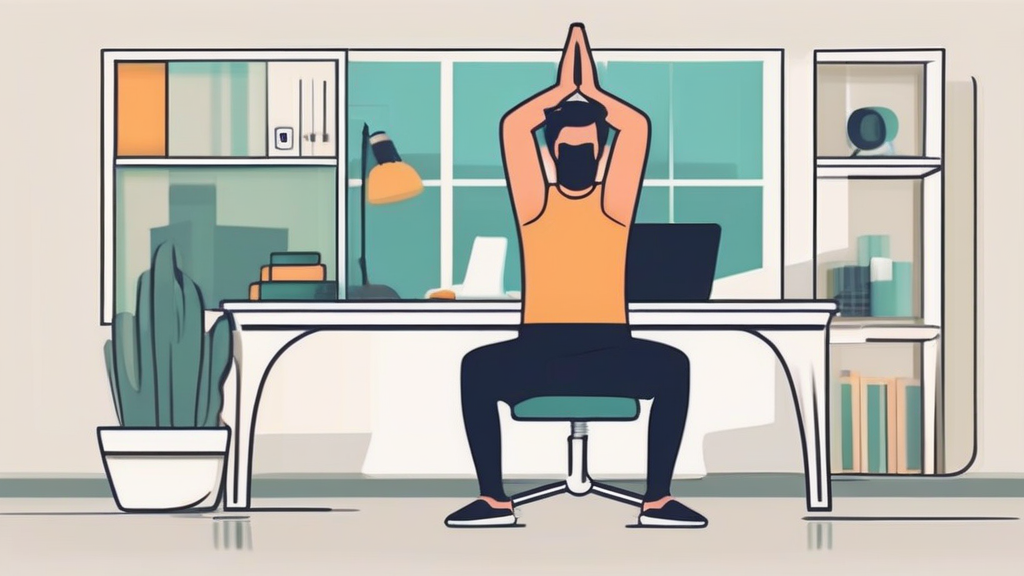
Why Your Desk is Secretly Sabotaging Your Body
I remember sitting at my desk, staring at a spreadsheet for three hours straight, when I suddenly realized I couldn't turn my neck to the left. My shoulders were practically touching my ears, and my lower back felt like it had been molded into the shape of my ergonomic chair. Does that sound familiar?
We spend so much of our lives tethered to our workstations that we forget our bodies were designed to move, not to remain static for eight hours a day. If you are looking for a guide to light stretching at the office to reduce aches and pains, you are already ahead of the game. It isn't about turning your cubicle into a full-blown studio; it is about reclaiming your physical comfort.
Many of us fear that stretching at work makes us look like we aren't "working hard." But honestly? A refreshed, pain-free employee is infinitely more productive than a stiff, grumpy one. Let’s talk about how to integrate these movements without feeling like the office weirdo.
The Art of Subtle Desk Yoga for Beginners
The biggest hurdle to starting is the fear of being watched. You might worry that your coworkers will stare if you start doing downward dog in the breakroom. Don't worry, because you don't have to do that.
True office yoga is about micro-movements. These are tiny, intentional shifts in posture that release tension without requiring you to leave your chair or change into spandex. It is all about discretion and efficiency.
How to Begin A Guide to Light Stretching at the Office to Reduce Aches and Pains
Start with your neck. Most of our stress accumulates right at the base of the skull. While reading an email, gently drop your right ear toward your right shoulder. Keep your left shoulder down, and breathe. Hold for ten seconds, then switch sides.
Next, move to your wrists. Since we spend so much time typing, our forearms become incredibly tight. Extend your arm in front of you, palm facing up, and use your other hand to gently pull your fingers back. This simple motion can prevent the kind of repetitive strain injury that haunts office workers everywhere.
The beauty of these movements is that they look like you are just pausing to think. Nobody needs to know you are actually performing a sequence designed to save your spine.
Building a Routine That Actually Sticks
Consistency beats intensity every single time. You don't need a thirty-minute session to feel the benefits. Instead, try to link your stretches to existing habits.
Maybe you stretch every time you wait for a page to load. Or perhaps you do a seated spinal twist every time you take a sip of water. By anchoring your movements to these triggers, you stop having to "remember" to stretch—it just becomes part of your flow.
Seated Twists for Spinal Health
This is my favorite move because it feels like a massage for your internal organs. Sit tall, plant your feet firmly on the ground, and place your right hand on the back of your chair. As you exhale, gently rotate your torso to the right.
Keep your hips square. If you twist your hips, you lose the benefit for your spine. Look over your shoulder if your neck allows it, hold for three deep breaths, and return to center. Repeat on the other side.
The Seated Pigeon Pose
If you have tight hips from sitting, this one is a lifesaver. Cross your right ankle over your left knee, creating a "figure four" shape with your legs. Keep your back straight and lean forward just a few inches until you feel a gentle stretch in your right hip.
You don't need to touch your toes. Just lean forward enough to feel the tension release. It is incredibly effective, and if anyone asks, you are just leaning in to look closer at a complex document.
Overcoming the Mental Barrier of "Looking Weird"
Let's address the elephant in the room: the fear of judgment. We often worry that colleagues will think we are slacking off if we aren't typing furiously. Here is a secret: most people are too focused on their own stress to notice what you are doing.
If you feel self-conscious, start small. Close your eyes for five seconds while you stretch your neck. People will just assume you are resting your eyes after staring at the screen. That is a perfectly acceptable professional practice.
If you feel bolder, invite a colleague to join you. "My back is killing me, I'm going to stretch for a second," is a phrase that usually triggers a chorus of "Oh, me too!" from everyone else in the room. You might even end up starting an office wellness trend.
Advanced Tips for Long-Term Comfort
Once you get comfortable with the basics, look at your workstation setup. No amount of stretching can fix a chair that is at the wrong height. Ensure your screen is at eye level so you aren't craning your neck downward.
Hydration plays a massive role in muscle elasticity. If you are dehydrated, your muscles become stiff and prone to cramping. Keep a large water bottle at your desk. Not only will it keep your tissues hydrated, but it will force you to get up and walk to the restroom every hour, which is the best stretch of all.
The Power of Intentional Breathing
Yoga isn't just about the physical shape; it is about the breath. When we are stressed, we tend to take shallow, rapid breaths. This keeps our nervous system in a state of high alert.
Try "box breathing" while you work. Inhale for four seconds, hold for four, exhale for four, and hold for four. This simple technique lowers your heart rate and signals to your body that it is safe to relax. When your mind relaxes, your muscles follow suit.
Common Mistakes to Avoid
Do not bounce. Bouncing during a stretch is a quick way to pull a muscle. Always use slow, controlled movements. You want to feel a gentle pull, not sharp pain.
Do not hold your breath. It is tempting to hold your breath when you are trying to reach a bit further, but that just creates more tension. If you cannot breathe deeply, you have gone too far.
Do not compare your flexibility to others. Your body is unique. Some days you will be able to touch your toes, and other days your hamstrings will feel like steel cables. That is perfectly normal. Just meet your body where it is that day.
Creating a Sustainable Office Wellness Culture
If you own your business or manage a team, consider the impact of these small habits. Encouraging a culture where it is okay to stand up, stretch, and move during the day actually leads to higher morale and better work quality.
You don't need a fancy gym membership or a dedicated wellness room to make a difference. You just need a chair and a little bit of awareness. When you prioritize your physical health, you are essentially investing in your own longevity as a professional.
Think about how much better you feel after a quick stretch. That clarity of mind and release of physical tension is worth more than ten extra minutes of screen time. Your career is a marathon, not a sprint; don't let your desk turn you into a statue before you reach the finish line.
Final Thoughts on Staying Limber
Starting a desk yoga practice is one of the kindest things you can do for your future self. It doesn't require expensive gear, a change of clothes, or an hour of your time. It just requires the willingness to pause and listen to what your body is asking for.
By incorporating these small, intentional movements into your daily schedule, you effectively manage the aches and pains that come with modern work. You stop being a victim of your environment and start becoming an active participant in your own physical well-being.
So, the next time you feel that tightness creeping into your shoulders, don't ignore it. Take a breath, drop those shoulders, and lean into a gentle stretch. Your body will thank you, and your work will likely improve because of it. Why not start right now? Take a deep breath, stretch your neck, and let the tension melt away.
You should leave a comment for me to be more enthusiastic in writing articles and Google will like my beautiful and pretty website.
Post a Comment for "Desk Yoga for Beginners: How to Get Started Without Feeling Self-Conscious"