How to Set Up Your Workstation to Naturally Reduce Muscle Tension
Health Enthusiast: A Holistic Guide and History of Healthy Living Welcome to Health Enthusiast, your trusted portal for exploring the roots of medical history and finding the best healthy lifestyle tips. Through https://www.ratirossie.cfd/, we bridge insights into the history of human health with the most up-to-date information on healthy living tips. Discover the origins of various nutritional diet guidelines, learn about the evolution of exercise routines over time, and understand proven methods for maintaining mental and physical health. Make this platform your daily partner in achieving a better and more balanced quality of life holistically. Thank you and happy reading.
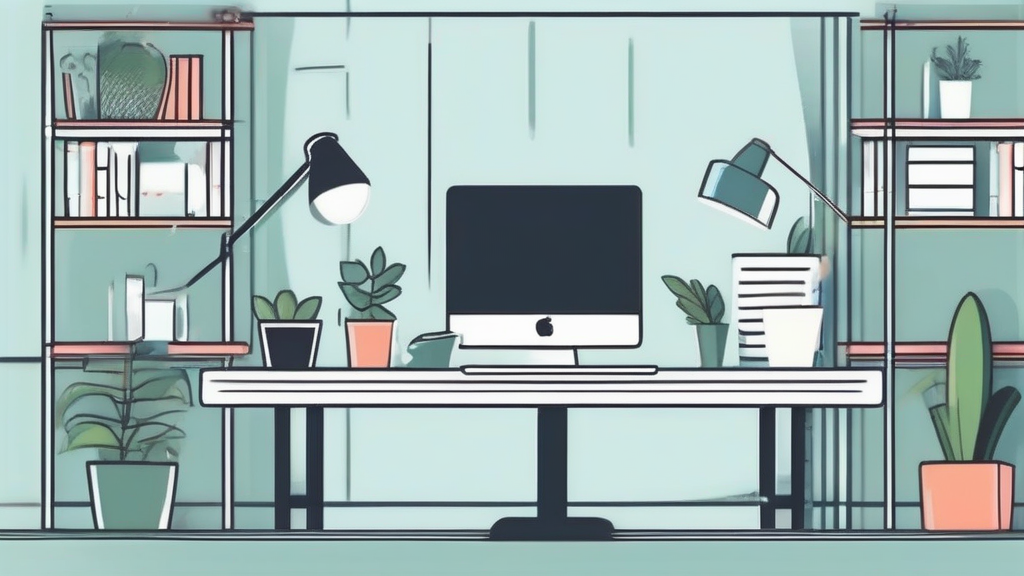
I remember the exact moment I realized my office chair was my nemesis. It was 3:00 PM on a Tuesday, my shoulders were hiked up to my ears, and my lower back felt like it had been through a car wash on the wrong cycle. Does that sound familiar? If you spend your day glued to a screen, you know exactly what I mean.
Most of us treat our workstations like a necessary evil, but they should be the foundation of our daily comfort. By tweaking a few simple elements, you can transform your desk into a hub of productivity rather than a source of chronic discomfort. Today, I want to share my personal approach to workstation ergonomics and provide a guide to light stretching at the office to reduce aches and pains that actually fits into a busy schedule.
Designing an Ergonomic Sanctuary
Setting up your workspace isn't about buying the most expensive chair on the market. It is about understanding how your body interacts with the tools you use every single day. If your setup is fundamentally flawed, no amount of stretching will undo the damage caused by eight hours of poor posture.
The Monitor Height Rule
Think about where your eyes naturally fall. When you look at your screen, you shouldn't be tilting your neck up or hunching down. The top third of your monitor should be at or slightly below eye level. If you use a laptop, grab a stand and an external keyboard. This simple change prevents the dreaded "tech neck" and keeps your cervical vertebrae in a neutral, relaxed position.
Finding Your Chair’s Sweet Spot
Your chair should support the natural curve of your spine. If you feel like you are sliding forward, your seat pan might be too deep or tilted incorrectly. Adjust the height so your feet rest flat on the floor with your knees at a 90-degree angle. If your feet dangle, use a footrest. Your lower back needs that firm contact to avoid the muscle fatigue that creeps in by mid-afternoon.
A Guide to Light Stretching at the Office to Reduce Aches and Pains
Now that your desk is dialed in, let’s talk about movement. Even the most ergonomic setup in the world won't help if you stay perfectly still for four hours straight. Our bodies crave motion, and physical exercise in small, frequent doses is the best antidote to a sedentary workday.
I make it a point to stand up at least once every hour. I don't need a gym; I just need a clear floor space and a few minutes of focus. Here are the stretches that saved my sanity.
Neck and Shoulder Releases
Tension loves to hide in the traps and the neck. Start by sitting tall and gently dropping your right ear toward your right shoulder. Use your right hand to add a very light, gentle pressure—don't yank! Hold this for 20 seconds, then switch sides. Follow this by rolling your shoulders backward in slow, controlled circles. Feel the tension melt away as you open up your chest.
The Seated Spinal Twist
This one is great for the mid-back, which often gets stiff from typing. Sit sideways in your chair, feet planted firmly. Reach back to grab the backrest with both hands and gently rotate your torso toward the chair back. Keep your spine long, as if a string is pulling the top of your head toward the ceiling. Inhale to lengthen, exhale to rotate a little deeper. Repeat on the other side.
Wrist and Forearm Relief
If you are a heavy keyboard user, your wrists are likely screaming by 5:00 PM. Extend one arm forward with your palm facing up. Use your other hand to gently pull your fingers back toward you until you feel a stretch in your forearm. Flip the palm down and repeat. This simple movement can prevent the stiffness that leads to long-term discomfort.
Building Habits That Stick
Knowing how to stretch is one thing; actually doing it is another. I used to forget entirely until the pain became impossible to ignore. Now, I use a few behavioral triggers to make sure I stay on track.
The Power of Micro-Breaks
Instead of thinking of exercise as a big block of time, think of it as micro-breaks. Every time I finish a phone call, I stand up and do a quick stretch. When I send an email, I rotate my wrists. By anchoring these movements to existing habits, I don't have to rely on willpower. It just becomes part of the rhythm of my day.
Hydration as a Catalyst
Here is a little trick: drink more water. Yes, it’s basic, but it serves a dual purpose. Not only does it keep your muscles hydrated and functioning, but it also forces you to get up from your desk to refill your glass or visit the restroom. It is a natural, built-in timer for movement that you cannot ignore.
Addressing Common Office Misconceptions
There is a lot of bad advice floating around regarding office health. People often think that if they have an expensive ergonomic mouse or a standing desk, they are "cured." That is rarely the case. Your equipment is only as good as your habits.
The Standing Desk Fallacy
Standing all day is just as bad as sitting all day. If you have a standing desk, use it, but don't camp out there for four hours. The key is variety. Alternate between sitting and standing, and always ensure your arms are at the right angle when you transition to the standing position. Your body wants variety, not just a different form of static posture.
Listen to Your Body
If a stretch hurts, stop. There is a big difference between a "good" stretch that feels like tension releasing and a sharp, stabbing pain. If you feel sharp pain, back off immediately. You know your body better than anyone else, and pushing through genuine pain is the fastest way to turn a minor ache into a long-term injury.
Practical Tips for Busy Days
I get it—sometimes the workload is so heavy that taking five minutes feels like a luxury you can't afford. On those days, I lean into "desk-bound" stretches. These are movements you can do without even leaving your chair.
- Seated Leg Extensions: While sitting, straighten one leg out in front of you and hold for five seconds. This keeps your circulation moving.
- Ankle Rotations: Rotate your ankles in circles under the desk. Nobody will even know you are doing it, and it helps prevent blood pooling.
- Deep Breathing: It sounds simple, but taking five deep, diaphragmatic breaths forces your shoulders to drop and your heart rate to slow down.
When you focus on these tiny, frequent adjustments, you aren't just fixing a temporary problem. You are building a sustainable way to work that respects your physical limits. You don't have to sacrifice your health for your career, and you certainly don't have to live with daily stiffness.
Start small. Tomorrow morning, when you first sit down, take thirty seconds to adjust your monitor and chair height. Set a timer for your first stretch break. Once you feel how much better your body responds to regular movement, you won't want to go back to the old way of working. Your future self will thank you for the extra mobility, and your work will likely improve because you aren't distracted by physical discomfort.
How do you handle the mid-afternoon slump? Do you have a favorite stretch that keeps you going? Let’s keep the conversation moving—literally. Try these tips for one week and see if the tension doesn't start to fade away. Your desk is your workspace, but your body is your most important tool; take care of it accordingly.
You should leave a comment for me to be more enthusiastic in writing articles and Google will like my beautiful and pretty website.
Post a Comment for "How to Set Up Your Workstation to Naturally Reduce Muscle Tension"