Quick Wrist Exercises to Combat Repetitive Strain Injury in Tech Workers
Health Enthusiast: A Holistic Guide and History of Healthy Living Welcome to Health Enthusiast, your trusted portal for exploring the roots of medical history and finding the best healthy lifestyle tips. Through https://www.ratirossie.cfd/, we bridge insights into the history of human health with the most up-to-date information on healthy living tips. Discover the origins of various nutritional diet guidelines, learn about the evolution of exercise routines over time, and understand proven methods for maintaining mental and physical health. Make this platform your daily partner in achieving a better and more balanced quality of life holistically. Thank you and happy reading.
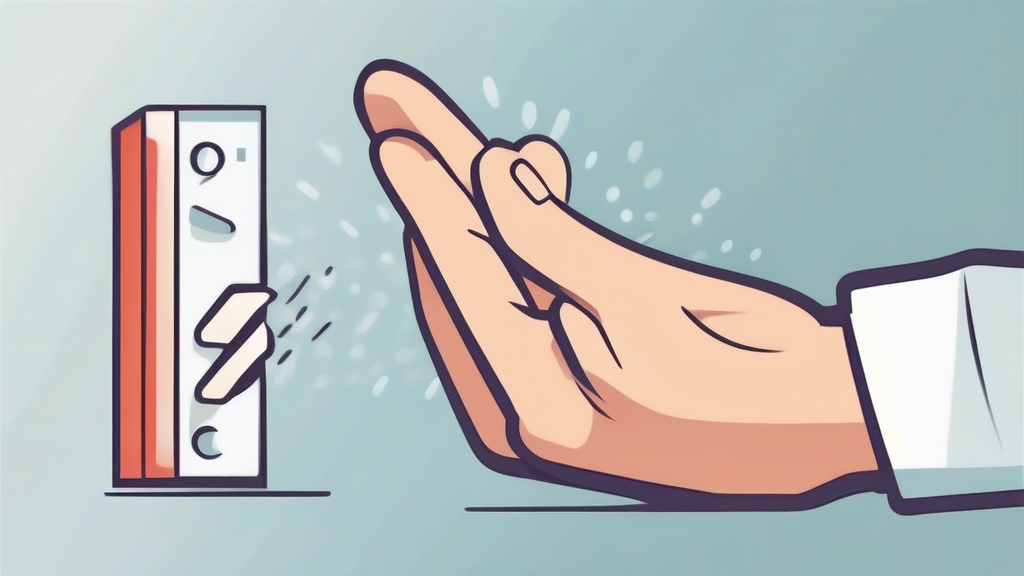
My wrists used to scream at me by 3:00 PM every single day. As someone who spends upwards of ten hours a day typing away, the dull ache in my forearms became a constant, unwelcome companion. I ignored it for months, assuming it was just the price of doing business in a digital world. Eventually, the pain became sharp enough to make me pause mid-sentence. That’s when I realized I needed a change.
If you are reading this, you probably know that feeling all too well. It starts as a slight stiffness and can quickly spiral into something that keeps you up at night. Following a guide to light stretching at the office to reduce aches and pains is not just a luxury; it is a necessity for anyone glued to a keyboard. Let’s talk about how to keep your hands and wrists happy without sacrificing your productivity.
Understanding the Impact of Repetitive Strain Injury
Before we jump into the movements, we have to look at the culprit. When you perform the same small motions over and over, you put your body in a state of constant tension. This is the hallmark of repetitive strain injury, a condition that affects thousands of professionals globally. Your muscles, tendons, and nerves are not designed to be held in a static, claw-like position for eight hours straight.
Think about your hand posture right now. Are your wrists bent upward? Is your grip on the mouse tighter than it needs to be? Most of us are guilty of this. Over time, this chronic tension leads to inflammation and discomfort that can sideline your career if you aren't careful. It’s not just about the pain; it’s about the long-term health of your connective tissues.
Why Quick Wrist Exercises to Combat Repetitive Strain Injury in Tech Workers Work
Movement is medicine. When you pause to stretch, you are essentially hitting the reset button on your muscular tension. These small breaks encourage blood flow to the area, which helps flush out metabolic waste products that build up during long periods of typing. It’s like giving your muscles a much-needed glass of water after a marathon.
You don’t need an hour at the gym to make a difference. In fact, the beauty of these stretches lies in their brevity. By integrating these motions into your routine, you are proactively managing your ergonomics. It’s a simple trade: five minutes of your time for hours of pain-free work.
A Routine for Your Desk
I suggest doing these every two hours. You don't even have to leave your chair. Just make sure you are sitting upright with your feet planted firmly on the floor. Consistency beats intensity every time, so don't try to overdo it on your first day.
The Prayer Stretch
Start by placing your palms together in a prayer position at chest height. Slowly lower your hands toward your waist while keeping your palms pressed firmly against each other. You should feel a gentle, satisfying pull along the underside of your forearms. Hold this for about fifteen seconds, breathe deeply, and then release. Do this three times.
The Gentle Wrist Extension
Extend your right arm in front of you with your palm facing away from you, as if you are telling someone to "stop." Use your left hand to gently pull your fingers back toward you. Keep your arm straight, but don't lock your elbow. You want to feel a stretch, not a strain. Hold for ten seconds and switch sides. Repeat this twice.
Wrist Circles and Shakes
Sometimes the simplest moves are the most effective. Make a loose fist with both hands and rotate your wrists in a circular motion. Do five rotations clockwise and five counter-clockwise. Once you finish, shake your hands out as if you are trying to get water off your fingertips. This helps reset the nerves and releases residual tension.
Building a Sustainable Workflow
Stretching is only one piece of the puzzle. If you don't address your environment, you’ll find yourself fighting an uphill battle. Take a hard look at your desk setup. Is your monitor at eye level? Are your shoulders relaxed, or are they hunched up toward your ears? Your environment dictates your posture, and your posture dictates your level of pain.
I personally use an external keyboard and mouse even when I’m using my laptop. It allows me to keep my elbows at a ninety-degree angle and my wrists neutral. It might seem like a small detail, but these adjustments add up. When your equipment works with your body rather than against it, you spend less energy fighting off fatigue.
Signs You Need to Take a Break
Your body has a way of talking to you, but we are often too busy to listen. If you start to feel a tingling sensation in your fingers, that is a major red flag. Don't ignore it. That is your nervous system asking for a break.
- Numbness or a "pins and needles" feeling in the palm or fingers.
- A dull ache that radiates from the wrist up to the elbow.
- Difficulty gripping objects like a coffee mug or a pen.
- Increased clumsiness or a drop in typing accuracy.
If you notice any of these, stop what you are doing immediately. Walk away from the screen. Grab a glass of water, do a few shoulder rolls, and let your hands rest. Your emails can wait ten minutes. Your health cannot.
Making This a Habit
The hardest part of this guide to light stretching at the office to reduce aches and pains is remembering to actually do it. I found that attaching the habit to something I already do helps. Every time I hit the "send" button on a long email, I do a quick wrist shake. Every time I wait for a file to upload, I do a prayer stretch.
You could also set a gentle alarm on your phone or use a browser extension that reminds you to move. Once you make these stretches a non-negotiable part of your day, they become as automatic as checking your notifications. You’ll stop thinking about the pain because the pain will stop being there.
Addressing the Mental Aspect of Physical Pain
There is a strong connection between stress and physical tension. When you are stressed about a deadline, you likely clench your jaw and tighten your shoulders without realizing it. This tension travels down your arms and concentrates in your wrists. It is a vicious cycle.
When you take these breaks, use them to check in with your mental state. Are you holding your breath? Are you frustrated? Take three deep, slow breaths. This not only relaxes your muscles but also helps clear your head. A calm mind often leads to a more relaxed body, which is the best defense against repetitive strain.
When to See a Professional
If you have tried these stretches for a few weeks and the pain persists, it is time to look beyond your desk. Chronic pain that doesn't subside with rest or basic movement could be a sign of something more serious, like carpal tunnel syndrome or tendonitis. Don't play the hero.
Schedule an appointment with a physical therapist or a doctor. They can give you a personalized assessment and ensure that you aren't doing more harm than good. Sometimes, a professional adjustment to your workstation or a specific set of exercises is exactly what you need to get back on track.
Reflecting on Your Daily Routine
Look at your day again. How many hours are you sitting? How many times do you stand up? Being a tech worker often means being sedentary, but it doesn't have to mean being stagnant. Even if you can't leave your desk, you can move your body.
The goal is to keep your joints lubricated and your muscles flexible. By following these quick wrist exercises to combat repetitive strain injury in tech workers, you are investing in your future self. You want to be able to use your hands for years to come, not just for the next project on your list.
Start today. Don't wait until the pain becomes unbearable. Pick one or two of the stretches I mentioned and try them right now. Your wrists will thank you, and your future self will be glad you took the time to slow down. Keep moving, stay mindful, and listen to what your body is telling you.
If you found these tips helpful, consider sharing this guide with a coworker who always complains about their desk setup. We are all in this together, and a little bit of shared knowledge goes a long way in keeping our office culture healthy and pain-free. Now, go take a stretch break—you've earned it.
You should leave a comment for me to be more enthusiastic in writing articles and Google will like my beautiful and pretty website.
Post a Comment for "Quick Wrist Exercises to Combat Repetitive Strain Injury in Tech Workers"