The Hidden Costs of Sedentary Work: Why Movement Breaks Are Non-Negotiable
Health Enthusiast: A Holistic Guide and History of Healthy Living Welcome to Health Enthusiast, your trusted portal for exploring the roots of medical history and finding the best healthy lifestyle tips. Through https://www.ratirossie.cfd/, we bridge insights into the history of human health with the most up-to-date information on healthy living tips. Discover the origins of various nutritional diet guidelines, learn about the evolution of exercise routines over time, and understand proven methods for maintaining mental and physical health. Make this platform your daily partner in achieving a better and more balanced quality of life holistically. Thank you and happy reading.
The Price We Pay for Sitting Still
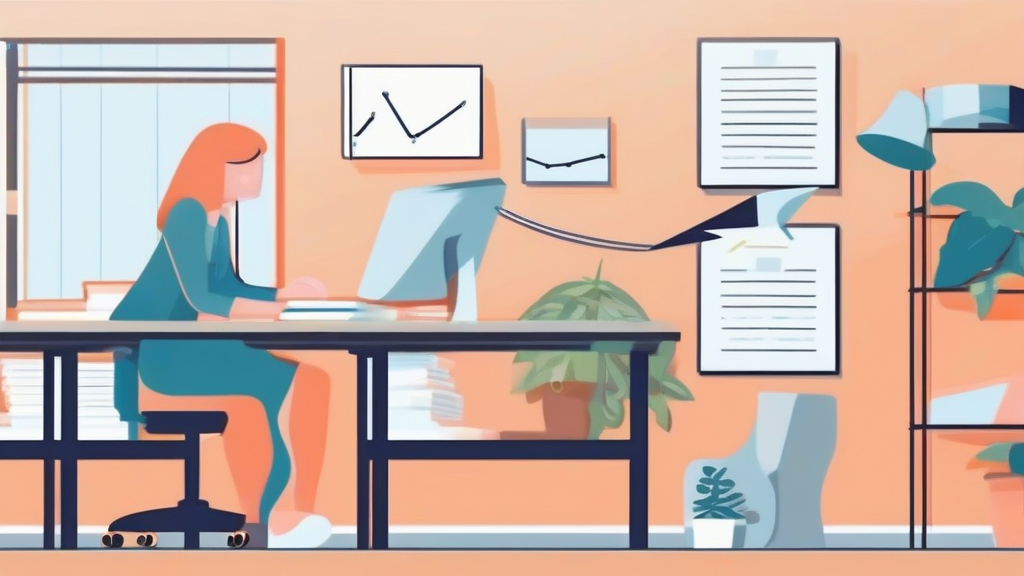
I remember a time when my back felt like a rusted hinge. I was spending ten hours a day glued to my ergonomic chair, convinced that the "ergonomic" label on the box was enough to save me. Spoiler alert: it wasn't.
We often treat our bodies like disposable hardware, assuming that as long as we show up for work, everything is fine. But the reality is much harsher. If you are looking for a guide to light stretching at the office to reduce aches and pains, you are already ahead of the curve.
Most of us don't realize that our chairs are slowly stealing our mobility. When we sit for prolonged periods, our hip flexors shorten, our glutes go to sleep, and our posture begins to resemble a question mark. It’s a silent, creeping issue that compounds over months and years.
This isn't just about feeling a bit stiff after a long meeting. It’s about systemic health consequences that impact your energy, your focus, and your long-term mobility. Ignoring these signals is a fast track to chronic back pain, which is one of the most common reasons for workplace absenteeism.
Understanding the Physiological Toll
Why does sitting feel so exhausting? It seems counterintuitive. You’re just sitting there, yet by 3:00 PM, you feel like you’ve run a marathon. The answer lies in how our bodies process movement—or the lack thereof.
When you sit, your metabolism slows down significantly. Your body stops burning fat as efficiently, and your blood flow becomes sluggish. This is why you get that brain fog around mid-afternoon. Your brain is literally craving oxygenated blood that only gets moving when your muscles are active.
The Hidden Link Between Sedentary Habits and Mental Fatigue
Have you ever noticed how your best ideas come to you while you’re walking or doing something physical? That isn't a coincidence. It’s biological. When you remain in a static position, your neural pathways become as stagnant as your muscles.
Constant sitting puts immense pressure on your spine. Over time, this causes the discs in your back to compress, leading to discomfort that radiates through your shoulders, neck, and even your legs. It’s a classic case of repetitive strain injury, even if you aren't doing heavy lifting.
A Guide to Light Stretching at the Office to Reduce Aches and Pains
You don't need a gym membership or a change of clothes to start reversing the damage. Small, consistent movements can shift your physiology back into a healthy state. Think of these as "micro-doses" of movement.
Here is how to integrate these habits without looking like you’re doing yoga in the middle of a conference room.
- The Seated Spinal Twist: Keep your feet flat on the floor. Place your right hand on the back of your chair and gently rotate your torso to the right. Hold for ten seconds, then switch sides. This helps decompress the thoracic spine.
- Neck Retractions: Sit tall and pull your chin straight back as if you are making a double chin. This counters the "tech neck" we all develop from staring at monitors.
- The Desk Chest Opener: Interlace your fingers behind your back and gently pull your shoulders down and back. This reverses the hunching posture we adopt when typing.
- Calf Raises: You can do these while standing at your desk or even while waiting for the coffee machine to brew. They help pump blood from your legs back up to your heart.
Creating a Routine That Sticks
The secret isn't a massive workout session. It’s consistency. Set a timer on your phone for every 50 minutes. When it goes off, you stand up. No excuses.
If you have a meeting, try taking it while standing. If you are on a phone call, pace around the room. These tiny adjustments add up to hours of movement by the end of the week.
I started leaving my water bottle on the other side of the office. It sounds simple, but it forces me to get up every hour to refill it. That movement is non-negotiable for my productivity.
Why Movement Breaks Are Essential for Business Owners
If you run a business or manage a team, you might think that keeping people in their seats is the key to output. You’re wrong. A sedentary team is a sluggish team.
High performers know that their body is their most important asset. If your body breaks down, your business goes with it. Investing in a culture of movement isn't just a "nice to have" perk; it’s a strategic advantage.
When you prioritize physical well-being, you notice a shift in morale. People are more alert, more creative, and less prone to the irritability that comes with physical discomfort. A culture that encourages stepping away from the desk is a culture that values longevity.
Overcoming the Mental Barrier to Stretching
Many people feel self-conscious about moving at the office. They worry about looking lazy or unprofessional. Let’s kill that myth right now.
Professionalism is about delivering results. If your physical state prevents you from doing your best work, you aren't being professional—you’re being a martyr to your chair. Taking two minutes to stretch is not a waste of time; it’s a maintenance check on your most valuable tool.
Start small. If you feel awkward, start with movements that are almost invisible. Stretch your ankles under your desk. Rotate your wrists. Shrug your shoulders. Once you realize how much better you feel, the fear of judgment will vanish.
The Long-Term ROI of Movement
Think about the cost of ignoring your body. We’re talking about potential medical bills, chiropractic visits, and the cost of lost focus. Now, compare that to the cost of a few minutes of stretching per day. The math is simple.
You are building a body that needs to last you for decades. Don't trade your future health for a few extra minutes of sitting at a screen today. Your future self will thank you for the extra mobility.
The goal is to move enough to keep the engine running smoothly. You don't have to be an athlete. You just have to be human. Humans were designed to move, not to remain static for eight hours a day.
Your Action Plan for Tomorrow
You don't need to overhaul your entire lifestyle overnight. Pick one or two stretches from this guide and commit to them for the next three days.
- Set a recurring alarm for every hour.
- Stand up when the alarm rings.
- Perform one of the stretches mentioned above.
- Take a deep breath and reset your focus.
That’s it. That is the entire strategy. It’s boring, it’s simple, and it works. Once you start feeling the difference in your neck, shoulders, and lower back, you won't need an alarm to remind you anymore. Your body will start asking for the movement naturally.
Stop waiting for your back to scream at you before you decide to take action. Start integrating these movements today, and reclaim the energy you’ve been losing to your desk chair. You deserve to work without pain, and it all starts with the very next time you stand up.
You should leave a comment for me to be more enthusiastic in writing articles and Google will like my beautiful and pretty website.
Post a Comment for "The Hidden Costs of Sedentary Work: Why Movement Breaks Are Non-Negotiable"