The Science of High-Intensity Interval Training (HIIT) for Rapid Belly Fat Loss
Health Enthusiast: A Holistic Guide and History of Healthy Living Welcome to Health Enthusiast, your trusted portal for exploring the roots of medical history and finding the best healthy lifestyle tips. Through https://www.ratirossie.cfd/, we bridge insights into the history of human health with the most up-to-date information on healthy living tips. Discover the origins of various nutritional diet guidelines, learn about the evolution of exercise routines over time, and understand proven methods for maintaining mental and physical health. Make this platform your daily partner in achieving a better and more balanced quality of life holistically. Thank you and happy reading.
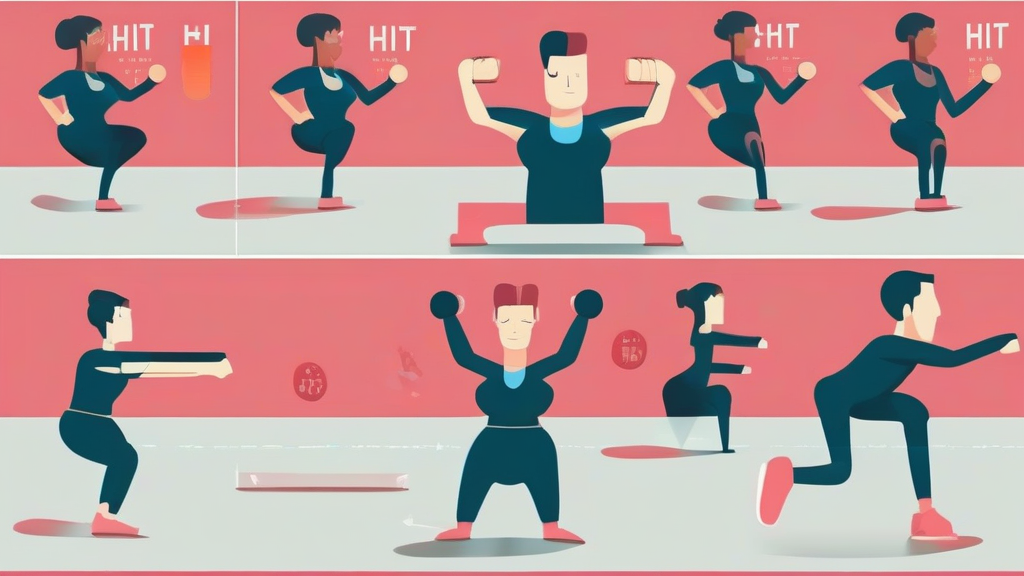
The Physiological Reality of HIIT and Fat Oxidation
I remember the first time I stepped onto a treadmill with the sole intention of burning off stubborn midsection weight. I spent an hour jogging at a steady, monotonous pace, feeling like I was making progress, yet looking in the mirror weeks later, nothing had changed. It turns out, my approach was missing the metabolic spark required to trigger real fat loss. High-Intensity Interval Training, or HIIT, isn't just another fitness fad. It is a scientifically backed method that forces your body to adapt in ways steady-state cardio simply cannot. By alternating between short bursts of near-maximal effort and brief recovery periods, you create a metabolic demand that forces your body to tap into stored energy reserves far more efficiently. When you push your heart rate into that anaerobic zone, you aren't just burning calories during the workout. You are triggering a phenomenon known as Excess Post-exercise Oxygen Consumption (EPOC). This is essentially your body’s "afterburn" effect. Because the intensity is so high, your system requires extra oxygen to return to its resting state. This process keeps your metabolic rate elevated for hours after you leave the gym. If you are wondering how to reduce belly fat in 2 weeks with regular exercise, this afterburn is your secret weapon.Why Visceral Fat Responds to Intensity
Belly fat isn't just one thing. There is subcutaneous fat, which you can pinch, and visceral fat, which wraps around your organs. Visceral fat is metabolically active and dangerous, but it is also surprisingly responsive to high-intensity stimulus. Traditional steady-state cardio often leads to muscle adaptation that makes your body more efficient at burning fuel, meaning you burn fewer calories over time for the same amount of effort. HIIT prevents this efficiency plateau. Because HIIT demands a recruitment of fast-twitch muscle fibers, it forces your body to mobilize fat stores from the abdominal region to fuel the intense exertion. This is where the science gets interesting. High-intensity training has been shown to increase the secretion of growth hormone and catecholamines, which are chemicals that help break down fatty acids. Think of it as a chemical signal to your body to stop hoarding energy in your midsection. By keeping your sessions short—typically 20 to 30 minutes—you avoid the cortisol spike that comes with prolonged, stressful endurance training. High cortisol levels are notorious for promoting fat storage specifically around the abdomen.How to Reduce Belly Fat in 2 Weeks with Regular Exercise
If you are looking for a timeline, two weeks is a short window, but it is enough to see a visible reduction in bloating and water retention, which often masks muscle definition. To see results, you need a plan that balances intensity with recovery. You cannot simply go "all out" every single day. Your nervous system needs time to recover, or you will end up burnt out or injured. Here is a structure that works:- Monday: HIIT Session (Sprints or Burpees) – 20 minutes.
- Tuesday: Active Recovery (Walking or light yoga).
- Wednesday: HIIT Session (Kettlebell swings or mountain climbers) – 20 minutes.
- Thursday: Active Recovery.
- Friday: HIIT Session (Full-body circuit) – 25 minutes.
- Saturday: Moderate activity (Hiking or swimming).
- Sunday: Complete rest.
Structuring Your HIIT Sessions for Maximum Impact
The "Interval" part of HIIT is where most people get it wrong. They either go too slow during the work phase or take way too long to recover. You want a work-to-rest ratio that challenges your aerobic exercise capacity while keeping the intensity high. A classic 2:1 ratio works wonders for beginners. Try 30 seconds of maximum effort followed by 15 seconds of rest. As you get fitter, you can move to a 1:1 ratio, such as 45 seconds of work followed by 45 seconds of rest.The Importance of Movement Quality
Don't sacrifice form for speed. If your burpees look like a flailing mess, you aren't engaging your core correctly. Your abdominal muscles act as stabilizers during these explosive movements. When you perform a high-intensity jump or sprint, your core is forced to contract hard to protect your spine. This is why HIIT is often more effective for core tightening than hundreds of crunches. Crunches work the rectus abdominis, but they don't burn the fat covering those muscles. HIIT burns the fat while simultaneously engaging the entire core strength apparatus.Tracking Progress Beyond the Scale
When you are aiming for results in just two weeks, the scale might lie to you. You might lose fat while gaining muscle weight, or you might be holding water from inflammation. Use these metrics instead:- Waist Circumference: Measure at your belly button.
- Energy Levels: Are you feeling more alert throughout the day?
- Clothing Fit: Do your pants sit more comfortably at the waist?
The Role of Nutrition in Your Two-Week Sprint
You cannot out-train a poor diet. If you are doing HIIT to lose belly fat, you must ensure your nutrition supports fat oxidation rather than hindering it. Focus on protein intake to keep your muscles fueled during those intense intervals. Protein has a higher thermic effect than fats or carbohydrates, meaning your body burns more calories just by digesting it. Prioritize lean sources like chicken, fish, or legumes. Hydration is another piece of the puzzle. Often, what we perceive as "stubborn belly fat" is actually digestive distress and water retention. Drinking enough water helps your kidneys function optimally, which reduces bloating. Avoid processed sugars and refined carbohydrates during these two weeks. These foods spike your insulin levels, which effectively turns off your body's ability to burn fat. Keep your fuel sources clean, complex, and steady.Common Mistakes That Sabotage Your Efforts
Many people start their journey with enthusiasm but fail because they make simple, avoidable errors. The most common mistake is skipping the warm-up. High-intensity movement requires your muscles to be primed and your joints to be lubricated. If you jump straight into sprinting, you are asking for a pulled hamstring. Spend at least five minutes doing dynamic stretches like leg swings, arm circles, and torso twists. Your body needs to know it is about to work hard. Another pitfall is the "compensation effect." This happens when you finish a hard workout and feel like you "earned" a massive, calorie-dense meal. This is a trap. You will undo the metabolic benefits of your 20-minute session in less than five minutes of eating. Stay disciplined with your portion sizes. Remember, the goal is to create a slight caloric deficit while maintaining high metabolic output.The Psychology of Short-Term Goals
Setting a two-week goal is a great way to kickstart a habit, but keep your expectations realistic. You won't go from having a high body fat percentage to a six-pack in 14 days. However, you can significantly jumpstart your metabolism and reduce bloating. Use these two weeks as a proof-of-concept. If you see the changes in your midsection, you will be much more likely to continue the routine for the long haul. That is where the real, permanent transformation happens. Ask yourself why you want to lose this weight. Is it for your health? Your confidence? Your energy levels? Connect your physical actions to a deeper "why." When the intervals get tough—and they will—that reason is what will keep you moving.Maintaining Momentum After the First Two Weeks
Once you hit the two-week mark, don't stop. The beauty of this training style is that it is sustainable. You don't need to live in the gym to maintain your results. You can increase the intensity or change the exercises to keep your body guessing. Your body is an adaptive machine; if you do the same exact workout for months, it will eventually stop changing. Rotate your exercises, change your work-to-rest ratios, and keep the challenge fresh. Listen to your body. If you feel extreme joint pain or constant fatigue, take an extra rest day. It is better to miss one day of training than to be sidelined for a month with an injury.Final Thoughts on Your Fitness Journey
Achieving a leaner midsection is a combination of science, consistency, and intelligent programming. By utilizing HIIT, you are taking a direct, evidence-based route to fat loss. You are shifting your metabolism, engaging your muscles, and creating an environment where fat storage becomes much more difficult. Start today. Don't wait for the perfect Monday or the right equipment. A park bench, a set of stairs, or even just open floor space is enough to perform an effective session. You have the knowledge; now apply it with intensity and purpose. The journey to a healthier, leaner you isn't about finding a magic pill. It is about understanding how your body works and giving it the right stimulus to change. If you stay consistent, the results will follow. Take control of your health, push through those intervals, and watch how your body responds.You should leave a comment for me to be more enthusiastic in writing articles and Google will like my beautiful and pretty website.
Post a Comment for "The Science of High-Intensity Interval Training (HIIT) for Rapid Belly Fat Loss"