Why Your Shoulders Hurt After Typing: A Simple Anatomy Breakdown
Health Enthusiast: A Holistic Guide and History of Healthy Living Welcome to Health Enthusiast, your trusted portal for exploring the roots of medical history and finding the best healthy lifestyle tips. Through https://www.ratirossie.cfd/, we bridge insights into the history of human health with the most up-to-date information on healthy living tips. Discover the origins of various nutritional diet guidelines, learn about the evolution of exercise routines over time, and understand proven methods for maintaining mental and physical health. Make this platform your daily partner in achieving a better and more balanced quality of life holistically. Thank you and happy reading.
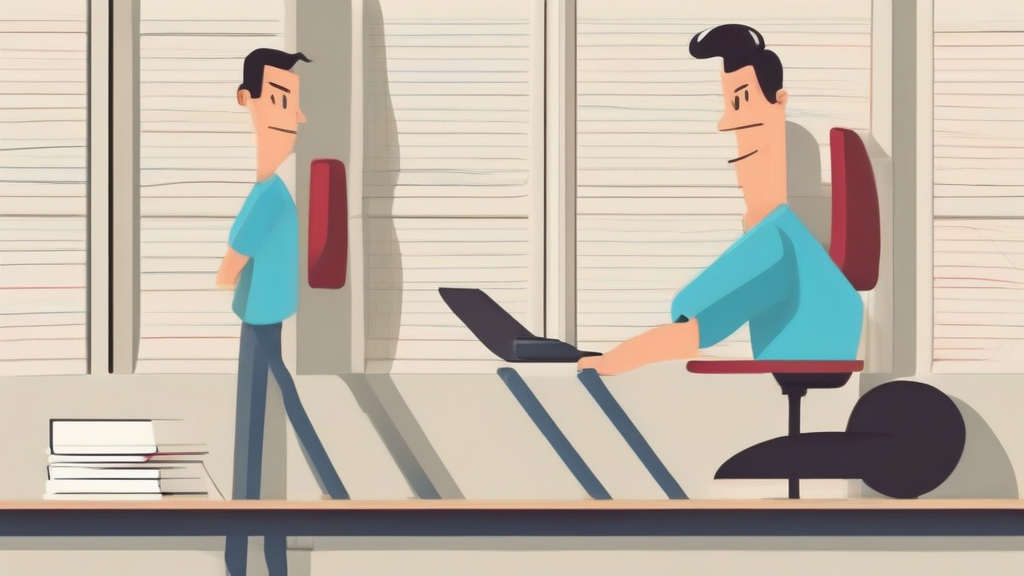
The Anatomy of the Desk-Bound Ache
You sit down, crack your knuckles, and start firing off emails. Two hours later, your shoulders feel like they’ve been replaced by two heavy, burning bricks. If this sounds familiar, you aren't alone. It is a common struggle for anyone tethered to a keyboard.
Understanding why this happens requires a quick look under the hood of your body. When we type, our shoulders tend to roll forward, creating a hunched posture. This constant internal rotation puts immense pressure on your trapezius muscles, which are responsible for moving your shoulder blades and supporting your neck.
Think of your muscles like rubber bands. When you hold them in a stretched or contracted position for eight hours straight, they eventually lose their elasticity. That tightness is your body’s way of screaming for a break. Ignoring it doesn't make the pain go away; it usually just leads to chronic tension headaches and stiffness.
If you want to stay productive without feeling like you’ve gone twelve rounds in a boxing ring, you need to change how you move throughout the day. Implementing a guide to light stretching at the office to reduce aches and pains is the best way to reset your posture before the damage sets in.
Why Your Shoulders Take the Hit
The human body was designed for movement, not for staring at a glowing screen for half the day. When you type, your arms are held in front of your body, often unsupported. This creates a lever effect where your shoulder muscles have to work overtime just to keep your hands hovering over the keys.
Beyond the muscles, we have to consider the joints. Your shoulder is a complex ball-and-socket mechanism. When you slouch, you compress the space where your tendons slide. Over time, this friction leads to inflammation and that nagging, deep-seated ache that makes it hard to even reach for your coffee mug.
The Role of Forward Head Posture
Have you ever noticed your chin creeping closer to your monitor? We call this "tech neck." When your head moves forward, the weight of your skull—which is surprisingly heavy—pulls on the muscles at the base of your neck and across your upper back.
Your shoulders act as the anchor for these muscles. If the anchor is constantly pulled forward, the entire structure becomes unstable. Correcting this isn't just about sitting up straight; it’s about opening up the chest and letting your shoulders slide back into their natural, neutral position.
A Guide to Light Stretching at the Office to Reduce Aches and Pains
You don't need a yoga mat or a gym membership to find relief. These movements are subtle enough to do at your desk, yet effective enough to make a difference in your daily comfort levels.
1. The Doorway Chest Opener
This is my personal favorite. Find any doorway in your office. Place your forearms on the door frame with your elbows at shoulder height. Step forward until you feel a gentle stretch across your chest and the front of your shoulders.
- Hold for 30 seconds.
- Breathe deeply into your chest.
- Repeat three times.
By opening the chest, you counteract that "keyboard hunch." It feels incredible after a long morning of typing.
2. The Shoulder Blade Squeeze
You can do this one without anyone even noticing. Sit tall in your chair. Imagine there is a pencil between your shoulder blades and try to hold it there by squeezing your blades together.
Hold the squeeze for five seconds, then release. Repeat this ten times. It activates the muscles that have been "turned off" while you were hunched over your laptop, pulling your shoulders back into alignment.
3. The Neck Release
Tight shoulders often start in the neck. Drop your right ear toward your right shoulder. Use your right hand to gently apply a tiny bit of pressure to your head—don't yank, just guide it.
You’ll feel a satisfying stretch running down the side of your neck and into the top of your shoulder. Hold for 20 seconds on each side. It’s like a mini-massage you give yourself.
Ergonomics: Your First Line of Defense
Stretching is great, but it’s a band-aid if your workspace is working against you. Take a hard look at your desk setup. Are your elbows at a 90-degree angle? Is your monitor at eye level?
If you are reaching up for your keyboard or looking down at a laptop screen, you are inviting pain. Elevate your laptop with a stand and use an external keyboard. Small adjustments like these remove the constant strain that leads to those end-of-day knots.
Also, consider your chair. If it doesn't support your lower back, you will naturally slouch, which kicks off a chain reaction that ends in your shoulders. A simple lumbar pillow can change your entire posture, keeping your spine stacked correctly so your shoulders don't have to carry the weight of your upper body.
Building a Habit of Movement
The biggest mistake people make is waiting until the pain is unbearable to do anything about it. By the time you feel that burning sensation, you’ve already been in a bad position for hours. You need to interrupt the cycle before it starts.
Set a timer on your phone for every 45 minutes. When it goes off, stand up. Even if you just walk to the water cooler or do a quick set of shoulder rolls, that disruption is enough to reset your muscle tension.
Think of it like a micro-break. You aren't losing productivity; you are ensuring your body can handle the demands of the afternoon. A refreshed body means a sharper mind, which translates to better work output.
When to Seek Professional Help
While most desk-related shoulder pain responds well to stretching and better ergonomics, sometimes the issue is more persistent. If you experience numbness, tingling down your arms, or pain that keeps you awake at night, it might be time to visit a professional.
Don't try to "tough it out" if something feels genuinely wrong. There are various conditions, such as nerve impingements or rotator cuff issues, that require more than just a few stretches. Listen to your body—it usually knows when something is more than just a simple case of "office stiffness."
Final Thoughts on Staying Pain-Free
Managing shoulder pain in an office environment doesn't require a total lifestyle overhaul. It starts with awareness. Notice when you’re hunching, pay attention to your head position, and make that conscious choice to move.
By incorporating a guide to light stretching at the office to reduce aches and pains, you are investing in your long-term health. Your shoulders support you every single day; it’s only fair you give them the support they need in return.
Start today. Pick one stretch from this list and do it right now. Your shoulders will thank you, and your future self will be glad you didn't wait until the pain became a permanent part of your work routine.
You should leave a comment for me to be more enthusiastic in writing articles and Google will like my beautiful and pretty website.
Post a Comment for "Why Your Shoulders Hurt After Typing: A Simple Anatomy Breakdown"