The Ultimate Guide to Eye Health for Heavy Gadget Users
Health Enthusiast: A Holistic Guide and History of Healthy Living Welcome to Health Enthusiast, your trusted portal for exploring the roots of medical history and finding the best healthy lifestyle tips. Through https://www.ratirossie.cfd/, we bridge insights into the history of human health with the most up-to-date information on healthy living tips. Discover the origins of various nutritional diet guidelines, learn about the evolution of exercise routines over time, and understand proven methods for maintaining mental and physical health. Make this platform your daily partner in achieving a better and more balanced quality of life holistically. Thank you and happy reading.
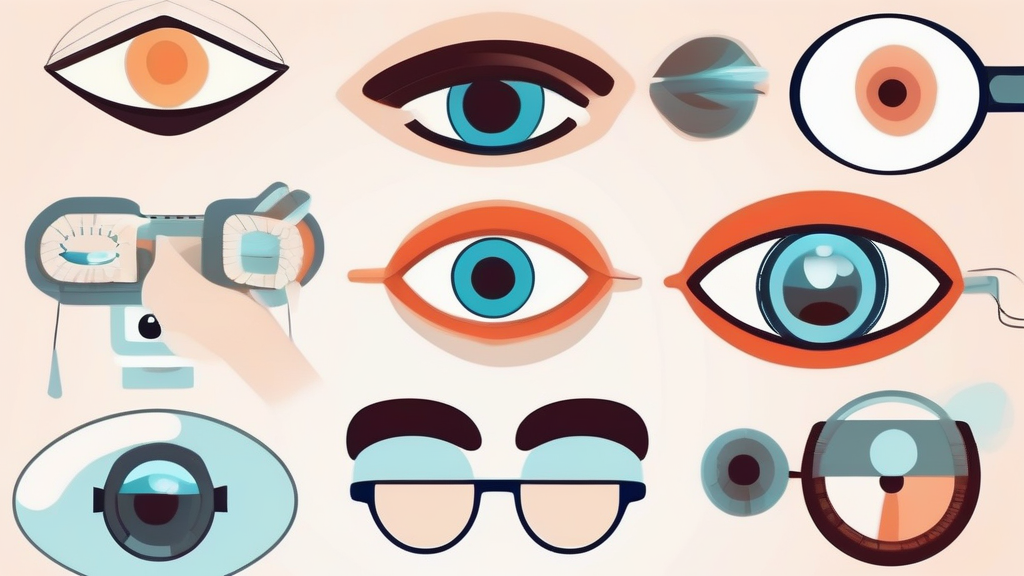
If you are reading this, your eyes are likely burning. You are focused on maintaining eye health for gadget users while staring at a screen that feels like a laser beam. I’ve spent fifteen years in this industry, and I’ve seen enough dry, red, and tired eyes to know that the tech isn't going anywhere. You just need to change how you interact with it.
Key Insights
- Digital eye strain is primarily caused by a reduced blink rate, not just blue light.
- The 20-20-20 rule is the industry gold standard for preventing ciliary muscle fatigue.
- Ergonomic screen placement prevents chronic neck and eye strain.
- Proper ambient lighting is more effective than most blue light filters.
- Frequent hydration and artificial tears serve as the first line of defense.
The Mechanics of Digital Eye Strain
Your eyes aren't built for staring at pixels eight hours a day. Think of your eyes like a high-performance camera lens that has to constantly adjust focus; when you stare at a screen, those tiny muscles stay locked in one position for hours. This causes computer vision syndrome. It is exhausting. When you focus on a screen, your blink rate drops by half. Your eyes turn into a desert. This leads to irritation, redness, and that gritty sensation you feel by 4:00 PM. You have to force yourself to blink, or the surface of your cornea will scream for moisture.Strategies for Maintaining Eye Health for Gadget Users
You need a system that works in the background. Stop waiting for the pain to start before you take action. Use the 20-20-20 rule: every 20 minutes, look at something 20 feet away for 20 seconds. It resets your focus. Adjust your screen brightness to match your environment. If your screen looks like a lighthouse beam in a dark room, your pupils are working overtime to compensate. Position your monitor at arm's length, with the top third of the screen at eye level. This keeps your eyelids slightly closed, which slows down tear evaporation.| Habit | Immediate Benefit | Long-Term Impact |
|---|---|---|
| 20-20-20 Rule | Relaxes ciliary muscles | Reduces chronic fatigue |
| Blink Exercises | Restores tear film | Prevents dry eye syndrome |
| Adjusting Brightness | Less pupil constriction | Minimizes glare-induced strain |
Environmental Factors and Lighting
Lighting is the unsung hero of ocular comfort. Avoid reflections on your monitor. These small, bright spots force your eyes to work harder to filter out visual noise. Use a matte screen protector if your office has aggressive overhead lighting. Blue light exposure is a heated debate, but the science points to circadian rhythm disruption more than physical damage. Using a warm color filter at night helps your brain wind down. It signals that the day is ending. Your sleep quality will improve, which is vital for cornea recovery.How do I know if I have digital eye strain?
If you experience headaches, blurry vision, or excessive tearing after a workday, you are likely suffering from digital eye strain. Your eyes are trying to tell you they need a break from the constant accommodative demand of near-work.Is the 10-10-10 rule better than 20-20-20?
Both are effective, but 20-20-20 is easier to remember. The goal isn't the specific number; it is breaking the cycle of sustained near-focus. Any break where you look at distant objects is a win for your eye health.Do blue light glasses actually work?
They help with contrast and color temperature, which can make screens feel "softer" to the eyes. However, they are not a substitute for proper lighting and taking regular breaks. Do not rely on them to solve a bad ergonomic setup. Take these steps seriously. Your vision is not a renewable resource. Start today by setting a timer on your phone for every twenty minutes. Your future self will thank you for the extra effort.You should leave a comment for me to be more enthusiastic in writing articles and Google will like my beautiful and pretty website.
Post a Comment for "The Ultimate Guide to Eye Health for Heavy Gadget Users"