Understanding Computer Vision Syndrome: Symptoms and When to See a Doctor
Health Enthusiast: A Holistic Guide and History of Healthy Living Welcome to Health Enthusiast, your trusted portal for exploring the roots of medical history and finding the best healthy lifestyle tips. Through https://www.ratirossie.cfd/, we bridge insights into the history of human health with the most up-to-date information on healthy living tips. Discover the origins of various nutritional diet guidelines, learn about the evolution of exercise routines over time, and understand proven methods for maintaining mental and physical health. Make this platform your daily partner in achieving a better and more balanced quality of life holistically. Thank you and happy reading.
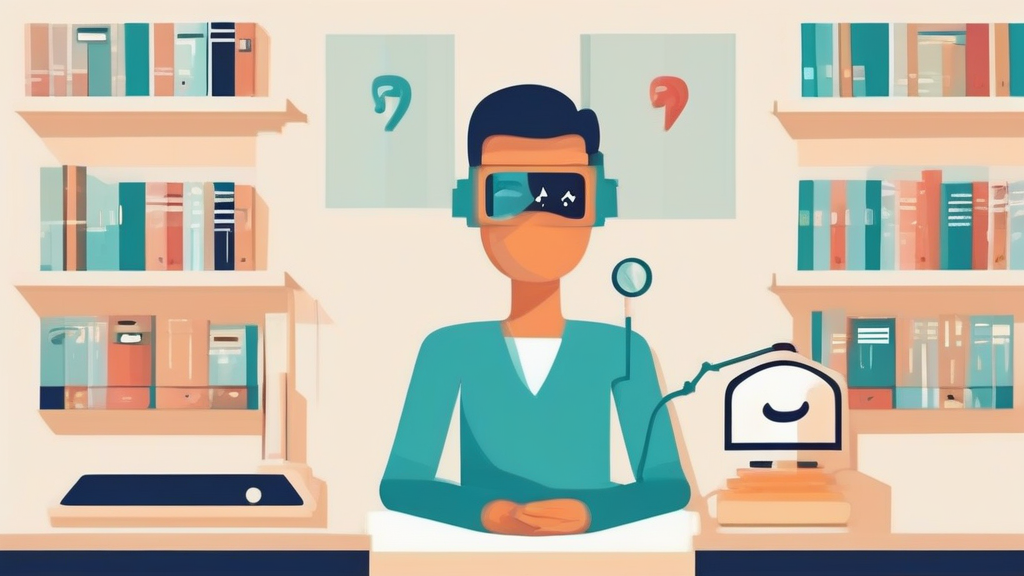
If you find yourself rubbing your eyes after a long day, you might be experiencing computer vision syndrome symptoms, a common reality for anyone tethered to a screen. It’s not just you; it’s the way we live now.
Key Insights
- Digital eye strain affects nearly 70% of adults who spend more than four hours daily on electronic devices.
- Lighting, screen distance, and blink rate are the primary mechanical triggers for discomfort.
- Consistent headaches and blurred vision are often symptoms of asthenopia, the medical term for eye fatigue.
- Small ergonomic adjustments and consistent break schedules can mitigate most physical complaints.
Identifying Computer Vision Syndrome Symptoms
Think of your eyes like a high-performance camera lens. If you hold that lens in a fixed position for eight hours while the motor tries to auto-focus on a flickering light, eventually, the battery dies and the focus gets jittery. That is exactly what happens when you stare at a monitor without a break. The classic signs aren't just about your eyes feeling "tired." You might notice your neck starting to burn or a dull throb behind your temples. These are systemic responses to prolonged focus.| Category | Common Manifestations |
|---|---|
| Ocular | Dryness, redness, burning, excessive tearing |
| Visual | Blurred vision, difficulty re-focusing, double vision |
| Musculoskeletal | Neck stiffness, shoulder tightness, tension headaches |
Why Your Environment Matters
Your workspace is the silent architect of your discomfort. Most of us work with overhead lighting that creates a persistent glare on our screens. This forces your pupils to adjust constantly, a process that depletes your visual endurance before lunch even arrives. Consider the blink rate. When we focus on pixels, we blink about 60% less than we do during normal conversation. Your cornea needs that lubrication to stay clear and pain-free. Without it, you get the scratchy, gritty sensation of sand under your eyelids.When to Consult a Professional
Not every headache is a reason to panic, but persistent issues require a clinical eye. If you find that your vision remains blurry even after you step away from the desk for an hour, it is time to schedule a comprehensive eye exam. You should seek help if you notice constant light sensitivity or if you are physically unable to maintain focus on objects at different distances. Sometimes, underlying issues like uncorrected refractive errors are masked by digital strain. A doctor can determine if you need specialized blue light filtering or, more likely, a simple adjustment to your prescription.Managing the Strain Daily
Adopt the 20-20-20 rule immediately. Every twenty minutes, look at something twenty feet away for twenty seconds. It sounds simple. It works. Adjust your screen height so your eyes look slightly downward. This position naturally widens the eyelid gap less, which slows tear evaporation. Keep your screen at arm’s length. If you have to lean in to read, your font size is too small. Fix the environment, and the symptoms will follow suit.Is computer vision syndrome permanent?
No, it is a functional condition, not a disease. It usually resolves once you address the environmental triggers and give your ocular muscles the rest they require.Do blue light glasses actually help?
Evidence is mixed. While they reduce glare, the most significant relief comes from proper hydration, regular breaks, and optimizing your ambient lighting rather than relying on a filter.When should I worry about neck pain from screens?
If the pain radiates into your arms or causes numbness, you are likely dealing with posture-induced cervical strain. See a physical therapist or your primary care physician to rule out spinal issues. Your vision is your most valuable asset in an information-based economy. Don't wait for chronic discomfort to dictate your productivity. Start tweaking your workspace today and notice how much easier it is to finish the day without that familiar, heavy-eyed exhaustion.You should leave a comment for me to be more enthusiastic in writing articles and Google will like my beautiful and pretty website.
Post a Comment for "Understanding Computer Vision Syndrome: Symptoms and When to See a Doctor"