Why You Should Avoid Using Gadgets in Total Darkness
Health Enthusiast: A Holistic Guide and History of Healthy Living Welcome to Health Enthusiast, your trusted portal for exploring the roots of medical history and finding the best healthy lifestyle tips. Through https://www.ratirossie.cfd/, we bridge insights into the history of human health with the most up-to-date information on healthy living tips. Discover the origins of various nutritional diet guidelines, learn about the evolution of exercise routines over time, and understand proven methods for maintaining mental and physical health. Make this platform your daily partner in achieving a better and more balanced quality of life holistically. Thank you and happy reading.
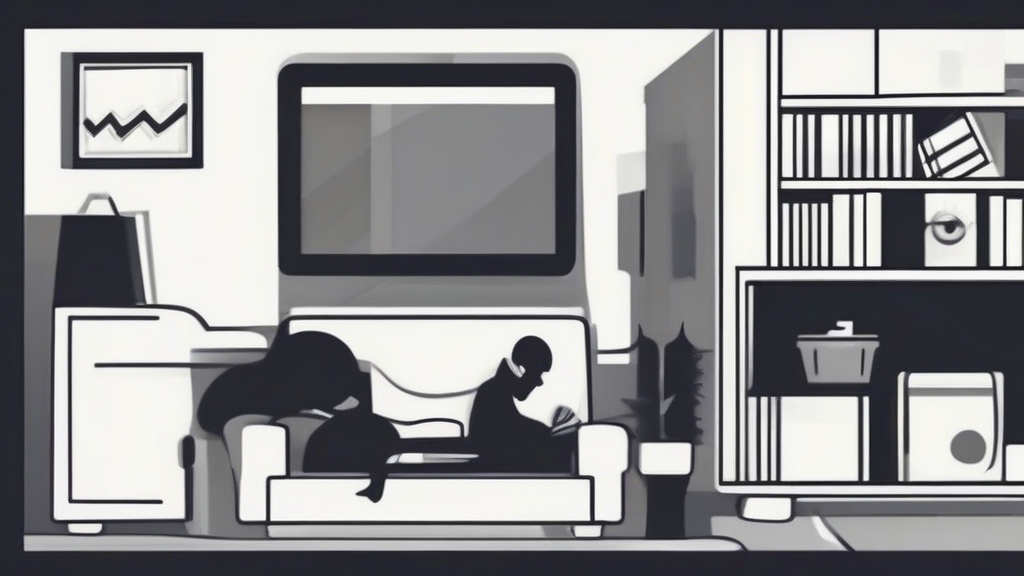
I see you checking your phone before bed. Avoiding gadget usage in dark rooms is one of those pieces of advice we all hear but rarely follow, yet my 15 years in this industry have taught me that our biological hardware just wasn't designed for high-intensity backlighting at midnight.
Key Insights
- High-contrast lighting environments trigger rapid ocular fatigue.
- Blue light emission disrupts the natural production of melatonin.
- Consistent night usage correlates with long-term circadian rhythm misalignment.
- Digital eye strain is a compounding issue, not an immediate injury.
Think of your eyes like a camera lens adjusting to a dim stage. When you stare at a glowing smartphone in a pitch-black room, your pupils dilate to capture more light, but the screen punches that light directly into your retina with intense, focused concentration. It is the visual equivalent of someone shining a flashlight into your face while you are trying to read a book in a cave.
This imbalance forces your ciliary muscles to work overtime. They are constantly trying to adjust the focus and aperture of your eyes to compensate for the extreme contrast between the device and your surroundings. Eventually, these muscles grow exhausted. You end up with headaches, dry eyes, and that familiar, gritty sensation of sandpaper behind your eyelids.
The Physiological Impact of Gadget Usage in Dark Rooms
The core problem isn't just the brightness; it's the wavelength. Most screens emit a significant amount of blue light. This specific part of the spectrum signals to your brain that it is daytime, effectively hitting the "snooze" button on your melatonin production.
| Factor | Well-Lit Environment | Dark Room |
|---|---|---|
| Contrast Ratio | Balanced | Extreme |
| Pupil Dilation | Constricted | Dilated |
| Muscle Effort | Minimal | High |
Many users assume that "Night Mode" or "Blue Light Filters" are a perfect solution. They help, sure. But they don't solve the fundamental issue of contrast ratio. Even with a warm tint, that glowing rectangle acts as a beacon in the darkness, keeping your brain in a state of high alert when it should be preparing for deep sleep.
If you absolutely must use your devices late at night, turn on a dim ambient light nearby. By raising the baseline illumination of the room, you reduce the contrast ratio. Your eyes won't have to strain nearly as hard to process the information on your display.
Is the damage to my eyes permanent?
Most experts agree that the short-term symptoms—dryness, strain, and temporary blur—are reversible with rest. However, chronic long-term exposure to intense light sources in the dark can exacerbate underlying conditions like macular degeneration over decades. It is a slow burn, not an instant catastrophe.
Can I just use adaptive brightness?
Adaptive brightness is a helpful tool, but it often struggles in extreme low-light settings. It tends to keep the screen brighter than your eyes actually need to see the text comfortably. If you use it, manually override it to the lowest possible comfortable level.
What is the 20-20-20 rule?
Every 20 minutes, look at something 20 feet away for 20 seconds. This forces your focus to shift and allows your ciliary muscles to relax. It is the single most effective way to combat digital eye strain, whether the lights are on or off.
Your eyes are the only pair you get. Treat them with the same respect you give your hardware. Put the device down, flip the switch, and let your brain get the rest it actually needs.
You should leave a comment for me to be more enthusiastic in writing articles and Google will like my beautiful and pretty website.
Post a Comment for "Why You Should Avoid Using Gadgets in Total Darkness"