How to Track Your Lipid Profile at Home: A Beginner's Tutorial
Health Enthusiast: A Holistic Guide and History of Healthy Living Welcome to Health Enthusiast, your trusted portal for exploring the roots of medical history and finding the best healthy lifestyle tips. Through https://www.ratirossie.cfd/, we bridge insights into the history of human health with the most up-to-date information on healthy living tips. Discover the origins of various nutritional diet guidelines, learn about the evolution of exercise routines over time, and understand proven methods for maintaining mental and physical health. Make this platform your daily partner in achieving a better and more balanced quality of life holistically. Thank you and happy reading.
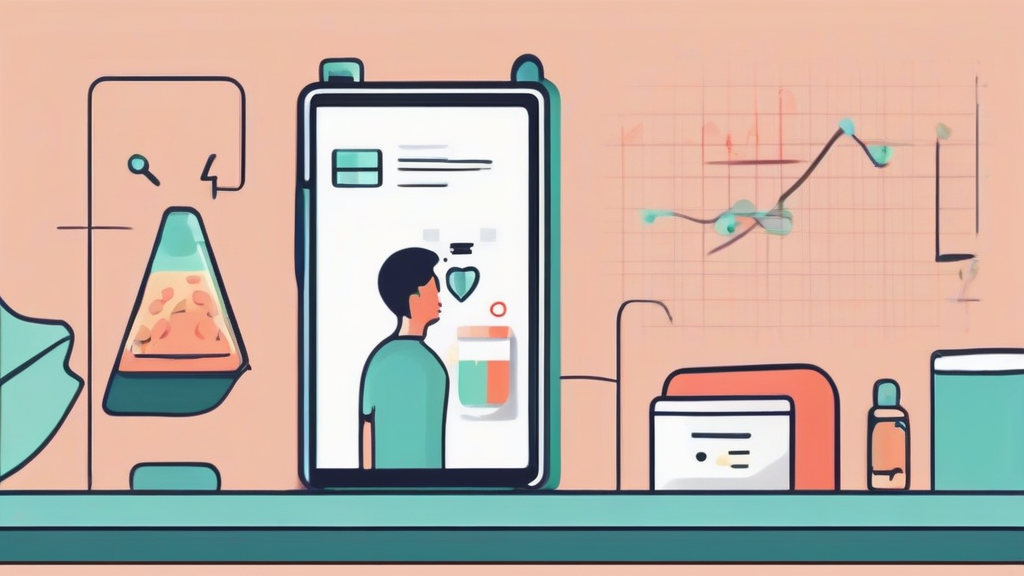
Taking Control of Your Cardiovascular Health
I remember sitting in my doctor’s office three years ago, staring at a printout of my blood work. The numbers weren't exactly "scary," but they were definitely trending in the wrong direction. That moment was my wake-up call to start taking my heart health seriously, starting with better monitoring.
Most of us treat our blood tests like a mystery box we only open once a year. But what if you could keep tabs on your lipid profile from the comfort of your kitchen? It’s not just about knowing your numbers; it’s about understanding what they mean for your daily habits.
Many people assume the only way to manage these markers is through prescription medication. However, I’ve found that by tracking my progress closely, I could focus on natural ways to lower high cholesterol without chemical drugs. It’s empowering to see the data shift because of the choices you make on your plate and in your gym shoes.
Understanding Your Home Testing Options
Testing your cholesterol at home has become remarkably accessible. You don't need a medical degree to operate these devices, but you do need to be consistent. Most home kits function like a glucose monitor, requiring a tiny prick of the finger to analyze a drop of blood.
How to Choose the Right Kit
When you start shopping, you’ll see a range of devices. Some are basic, while others sync directly to your smartphone. My advice? Look for one that is FDA-cleared or has equivalent regional certification. You want reliability, not just a gadget that looks fancy on your counter.
Check if the device measures your full panel. A basic total cholesterol number is okay, but you really want to see the breakdown of HDL (the "good" stuff) and LDL (the "bad" stuff). Having the full picture is essential if you are committed to finding natural ways to lower high cholesterol without chemical drugs.
The Importance of Consistency
If you test once a month, you’re getting a snapshot, not a movie. Try to test at the same time of day, ideally after an overnight fast. This eliminates the variables that can mess with your results, like a heavy dinner or a morning coffee.
Keep a physical or digital log. I use a simple spreadsheet to track my HDL, LDL, and triglycerides over time. Watching those lines trend downward is the best motivation I’ve ever had to stick to my broccoli and cardio routine.
Natural Ways to Lower High Cholesterol Without Chemical Drugs
Once you have your data, what do you do with it? This is where the real work happens. If your numbers are creeping up, you don't necessarily have to jump straight to a pharmacy shelf. There are plenty of lifestyle adjustments that pack a serious punch.
Tweaking Your Nutrition Strategy
Diet is the biggest lever you can pull. It’s not just about eating "less"; it’s about eating "better." I started by swapping out saturated fats for healthier alternatives. Think olive oil instead of butter, and walnuts instead of processed snacks.
Fiber is your secret weapon here. Specifically, soluble fiber found in oats, beans, and lentils acts like a sponge in your digestive system, soaking up cholesterol before it enters your bloodstream. Adding a serving of these to your daily routine is one of the most effective natural ways to lower high cholesterol without chemical drugs.
Moving Your Body for Heart Health
Exercise isn't just for fitting into your favorite jeans. It has a profound impact on your lipid levels. Aerobic exercise—the kind that gets your heart rate up—actually helps boost your HDL levels. Think of HDL as the cleanup crew for your arteries.
You don't need to run a marathon. A brisk 30-minute walk every day is enough to move the needle. When you pair this with a clean diet, you’re attacking the problem from both sides. It’s a holistic approach that makes you feel more energetic, not just "healthier" on paper.
Interpreting Your Numbers Like a Pro
It’s easy to get lost in the jargon. When you look at your results, focus on the ratio of your Total Cholesterol to HDL. A lower ratio is generally better. Don't panic if one reading is slightly off; look for the trend over three or four months.
Keep in mind that cholesterol is a vital substance for your body. Your cells need it to function. The goal isn't to eliminate it, but to keep the balance in check. If your numbers stay stubbornly high despite your best efforts, that’s when you have a productive conversation with your doctor about next steps.
When to Consult a Professional
Home testing is a tool for awareness, not a replacement for medical advice. If you see extreme spikes or if you experience symptoms like chest pain or extreme fatigue, stop the DIY approach and get to a clinic. Your heart is the engine of your body—don't take unnecessary risks with it.
Use your home data as a bridge to better communication with your healthcare provider. When you walk in with a log of your diet, exercise, and lipid levels, your doctor will be impressed. It shows you are taking accountability for your health, which makes their job much easier.
Building Sustainable Habits
The biggest mistake people make is treating health like a temporary project. They eat well for two weeks, see a slight improvement, and then go back to old habits. That’s a recipe for disaster.
Think about the small changes that you can actually maintain for years. Maybe it’s swapping your afternoon soda for sparkling water, or taking the stairs instead of the elevator. These tiny, consistent wins are exactly what lead to long-term success.
Refining Your Routine
- Test your lipid profile at the same time each month.
- Prioritize whole foods over anything that comes in a box.
- Aim for at least 150 minutes of moderate activity per week.
- Hydrate well—water is essential for metabolic health.
- Get enough sleep; poor rest is linked to higher stress and inflammation.
I’ve found that focusing on these pillars makes the process feel less like a chore and more like a lifestyle upgrade. When you stop viewing these steps as "restrictions" and start viewing them as "investments," everything changes.
Final Thoughts on Your Wellness Journey
Tracking your lipid profile at home is a simple, effective way to take ownership of your longevity. It gives you the power to see the direct relationship between your lifestyle and your internal health. By staying consistent with your monitoring, you gain the clarity needed to make smarter choices every single day.
Remember, there is no magic pill that replaces a healthy lifestyle. Finding natural ways to lower high cholesterol without chemical drugs requires patience and a bit of discipline, but the reward is a stronger, more resilient heart. You have the tools and the knowledge—now it’s time to put them to work.
Take that first step today. Order your testing kit, clear out the processed pantry items, and go for that walk. Your future self will thank you for the effort you’re putting in right now. Stay consistent, stay curious, and keep tracking those numbers.
You should leave a comment for me to be more enthusiastic in writing articles and Google will like my beautiful and pretty website.
Post a Comment for "How to Track Your Lipid Profile at Home: A Beginner's Tutorial"