The Best Standing Desk Mats for Office Workers: A Buyer's Comparison Guide
Health Enthusiast: A Holistic Guide and History of Healthy Living Welcome to Health Enthusiast, your trusted portal for exploring the roots of medical history and finding the best healthy lifestyle tips. Through https://www.ratirossie.cfd/, we bridge insights into the history of human health with the most up-to-date information on healthy living tips. Discover the origins of various nutritional diet guidelines, learn about the evolution of exercise routines over time, and understand proven methods for maintaining mental and physical health. Make this platform your daily partner in achieving a better and more balanced quality of life holistically. Thank you and happy reading.
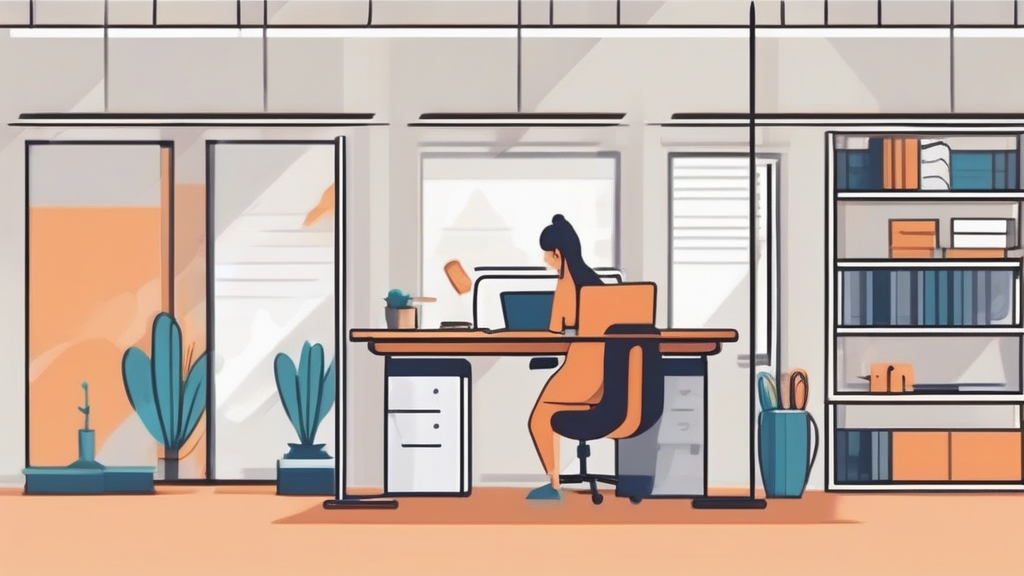
The Hidden Cost of Standing All Day
I remember the first week I switched to a standing desk. I felt like a productivity machine, energized and ready to tackle my inbox. By Thursday, however, my lower back felt like it had been through a car wash, and my feet were screaming. Standing for hours on end isn't as simple as just ditching your chair. It puts significant pressure on your joints, particularly your ankles, knees, and hips. If you aren't careful, you might trade one set of sedentary problems for a new set of chronic issues. That is where anti-fatigue mats come in. They aren't just fancy pieces of rubber; they are engineered to encourage subtle muscle movement. By forcing your leg muscles to micro-adjust to the cushioned surface, these mats improve blood circulation and prevent the static load that leads to fatigue. Of course, the gear is only half the battle. You also need a guide to light stretching at the office to reduce aches and pains if you want to stay pain-free. Relying solely on a mat without moving your body is a recipe for stiffness.What Makes a Standing Desk Mat Worth the Investment?
Not all mats are created equal. You’ll see cheap foam options on marketplaces that flatten out within a month. Don't fall for them. A quality mat should offer a balance of support and cushion. Think about the material density. If it's too soft, you’ll sink in, which defeats the purpose of the support. If it's too hard, you might as well be standing on the hardwood floor. You want a mat that provides enough resistance to keep your muscles engaged.Material Matters: Polyurethane vs. Gel
Polyurethane is generally the gold standard for office environments. It’s durable, doesn't lose its shape easily, and is often stain-resistant. You can spill your morning coffee on it, wipe it off, and move on. Gel-filled mats, on the other hand, offer a different kind of comfort. They feel like walking on a cloud, but they can be prone to punctures. If you wear shoes with heels or have a desk chair with sharp wheels, a gel mat might not survive the year.Size and Shape Considerations
Measure your workspace before you buy. Some mats are small, designed specifically for your feet. Others are larger, covering a wider area so you can shift your stance or even pace slightly while on a call. Consider the edges, too. Beveled edges are non-negotiable. They prevent tripping, which is a genuine hazard in a busy home office or a corporate cubicle. You don't want to be the person who trips over their own ergonomics gear during a Zoom meeting.A Guide to Light Stretching at the Office to Reduce Aches and Pains
Even with the best mat, your body needs movement. Your muscles crave variety. When you remain in one position for too long, your connective tissue can become tight and uncomfortable. Try these simple moves to break up your day. You don't need a yoga mat or special clothing; just a few minutes of mindfulness.- The Calf Stretch: Step one foot back, keep the heel on the ground, and lean forward. This releases the tension that builds up from standing on a flat surface.
- Neck Rolls: Gently drop your chin to your chest and roll your head from side to side. It helps counteract the "tech neck" we all get from staring at monitors.
- Shoulder Shrugs: Lift your shoulders to your ears, hold for three seconds, and drop them. It’s an instant tension release.
- Hip Flexor Stretch: Take a small lunge forward while standing. This opens up the hips, which get tight from sitting or standing in a fixed position for too long.
Comparing the Top Contenders
I’ve tested several brands over the years. Some are overpriced marketing fluff, while others are absolute workhorses. Here is how they stack up.The Premium Choice: High-Density Polyurethane
These mats are usually thicker and feature a textured surface. The texture isn't just for looks; it provides grip and allows you to massage your feet while standing. They are usually heavier, which is a good thing. A light mat will slide around your floor every time you move. A heavy mat stays put, providing a stable foundation for your workday.The Budget-Friendly Alternatives
If you are just starting out, you might find decent options in the mid-range price bracket. Look for "anti-fatigue" in the description, but verify the thickness. Anything under 0.5 inches is likely too thin for long-term use. Watch out for the "off-gassing" smell. Cheap materials often emit a strong chemical odor for the first week. If you're sensitive to smells, it might be worth paying a bit more for a high-quality, non-toxic mat.Common Mistakes When Using Standing Desk Mats
One of the biggest errors I see is wearing the wrong footwear. Standing barefoot on a hard mat can actually be worse for your arches than wearing supportive shoes. Your feet need support, regardless of the surface. If you’re standing for more than an hour, keep your sneakers or supportive house shoes on. Your knees will thank you. Another mistake is staying in one spot. The goal of a mat is to encourage micro-movements. Shift your weight from left to right. Change your stance. Lean on the desk occasionally. The mat is there to support your movement, not to lock your feet in a prison of rubber.The Psychology of Ergonomic Comfort
It’s easy to ignore physical discomfort when you’re deep in a project. We’ve all been there—eyes glued to the screen, typing away, completely ignoring the ache in our lower back until we stand up and realize we’ve been hunched over for three hours. Investing in a good mat is a way of telling yourself that your health matters. It’s a physical reminder to check in with your body. When I step onto my mat, it’s a cue to straighten my spine and check my posture.How to Maintain Your Mat for Longevity
You bought a good mat, so take care of it. Don't use harsh chemicals to clean it. A damp cloth with mild soap is all you need. Keep it away from direct sunlight if your desk is by a window. UV rays can break down the materials over time, leading to cracking or discoloration. If you use a rolling chair, move the mat out of the way when you sit. Chair wheels are the natural predator of anti-fatigue mats.Final Thoughts on Building Your Workspace
Your desk setup is a personal environment. It should reflect your needs and your work style. Don't feel pressured to buy the most expensive gear on the market. Start with a solid mat, learn how to move your body properly, and pay attention to how you feel at the end of the day. If you find yourself still struggling with pain, look at your monitor height or your keyboard placement. Sometimes the mat is perfect, but your screen is too low, forcing you to crane your neck. Everything is connected. Your feet, your back, your neck—they all work together to keep you productive. Treat them well, and they’ll keep you going through even the longest deadlines. If you’re ready to upgrade your setup, start by looking for a mat that fits your specific space and firmness preferences. Your body will notice the difference within the first hour. Don't wait until you're already in pain to make the change. Take control of your ergonomics today and see how much better your workday can be.You should leave a comment for me to be more enthusiastic in writing articles and Google will like my beautiful and pretty website.
Post a Comment for "The Best Standing Desk Mats for Office Workers: A Buyer's Comparison Guide"