Top 5 Desk-Friendly Ergonomic Accessories to Prevent Back Pain
Health Enthusiast: A Holistic Guide and History of Healthy Living Welcome to Health Enthusiast, your trusted portal for exploring the roots of medical history and finding the best healthy lifestyle tips. Through https://www.ratirossie.cfd/, we bridge insights into the history of human health with the most up-to-date information on healthy living tips. Discover the origins of various nutritional diet guidelines, learn about the evolution of exercise routines over time, and understand proven methods for maintaining mental and physical health. Make this platform your daily partner in achieving a better and more balanced quality of life holistically. Thank you and happy reading.
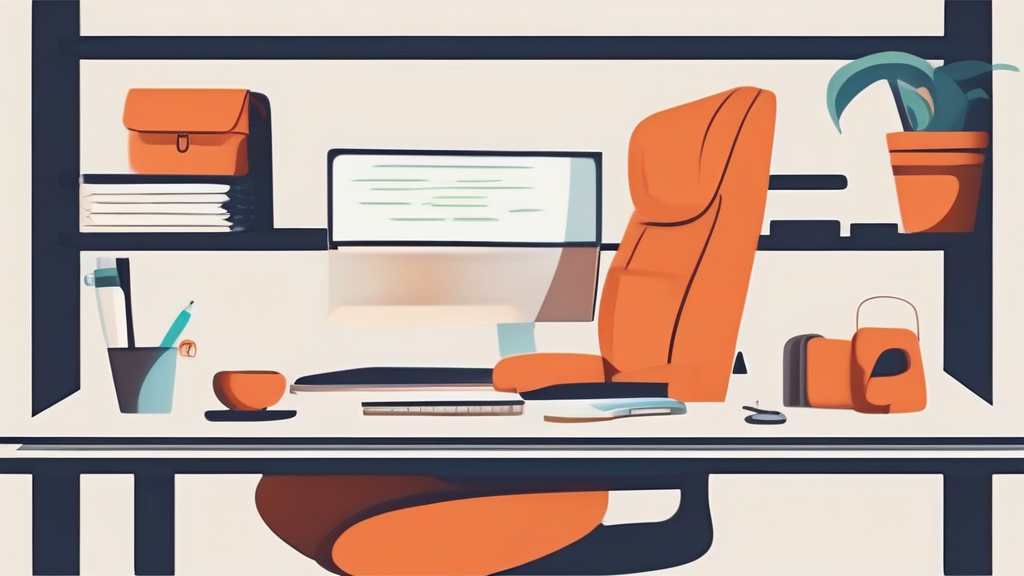
I still remember the day my lower back finally gave out. I was three hours into a deep-work session, hunched over my laptop like a gargoyle, when a sharp, electric jolt shot straight up my spine. It was a wake-up call I couldn't ignore. We spend a massive portion of our lives tethered to our desks, often sacrificing our physical health for the sake of a deadline.
If you are tired of finishing your workday feeling like you’ve been through a wrestling match, you aren’t alone. Achieving a pain-free workday is entirely possible, but it requires a mix of the right gear and consistent movement. Integrating a guide to light stretching at the office to reduce aches and pains is the best place to start, but your equipment matters just as much.
1. The Adjustable Monitor Riser
Most of us treat our monitors like they are permanently glued to the desk surface. This forces us to crane our necks downward, putting immense strain on the cervical spine. By elevating your screen, you align your gaze with the top third of the display, which naturally encourages a neutral, upright posture.
When your head is positioned correctly, the weight of your skull is balanced over your shoulders rather than hanging off them like a bowling ball. This simple fix can save you from chronic neck tension and the dreaded "tech neck" hunch. Consider it the foundation of a healthy workstation.
Improving Your Setup with a Guide to Light Stretching at the Office to Reduce Aches and Pains
Even with a perfect monitor height, sitting still is the enemy. While your screen is at eye level, take a moment to perform a few neck tilts. Gently drop your ear toward your shoulder, hold for ten seconds, and switch sides. This stretching technique keeps your muscles supple while you work.
Combine this movement with frequent eye-level adjustments. If you feel your chin jutting forward, pull your shoulders back and reset. Your body will thank you for the intentional alignment.
2. Ergonomic Lumbar Support Pillows
Not every office chair is built for the human form. Many standard chairs have a flat backrest that leaves a gap between your lower spine and the seat, causing your back to slouch into a "C" shape. A memory foam lumbar pillow fills that void, mimicking the natural curve of your lumbar region.
This support forces you to sit back in your chair, engaging your core and taking the pressure off your spinal discs. It sounds like a small change, but after eight hours, the difference in your energy levels and pain threshold is massive.
3. Vertical Ergonomic Mice
Have you ever noticed your forearm feeling tight after a long day of clicking? That’s often caused by the pronation of your wrist when using a standard mouse. Your forearm bones—the radius and ulna—are forced to cross over each other, creating unnecessary torsion.
A vertical mouse keeps your hand in a "handshake" position. This neutral wrist posture significantly reduces the risk of repetitive strain injury and keeps your arm muscles relaxed. Once you get used to the grip, you’ll wonder how you ever used a flat mouse.
4. Anti-Fatigue Floor Mats
Standing desks are fantastic, but standing on a hard floor for hours can be brutal on your joints. If you’ve made the switch to a standing setup, a quality anti-fatigue mat is non-negotiable. These mats provide a cushioned surface that encourages micro-movements in your legs and feet.
These tiny, unconscious shifts in your stance improve blood flow and prevent your muscles from locking up. It turns a static standing position into a dynamic one, which is the secret to avoiding that heavy, aching feeling in your lower back.
5. Adjustable Footrests
If your feet don't sit flat on the floor while your back is supported, your chair is likely too high. Dangling legs put extra pressure on your thighs and force your pelvis to tilt, which creates a chain reaction of pain all the way up your spine. A footrest fixes this by providing a stable platform for your feet.
By keeping your knees at a 90-degree angle, you ensure your weight is distributed evenly. It’s a simple accessory that makes a profound impact on your overall skeletal alignment.
The Importance of Movement Throughout the Day
Buying the right gear is only half the battle. You could have the most expensive ergonomic chair in the world, but if you sit in it for eight hours without moving, you’re still going to hurt. Movement is the fuel your joints need to stay lubricated.
Think of your body as a machine that was designed for motion, not for sitting in a cubicle. When you stay static, your muscles lose their elasticity. By implementing a consistent routine, you can keep your body feeling loose and ready for whatever the day throws at you.
Practical Tips for Daily Mobility
Set a timer on your phone for every 50 minutes. When it goes off, stand up, walk away from the desk, and shake out your limbs. This is the perfect time to incorporate a guide to light stretching at the office to reduce aches and pains. Focus on these three areas:
- The Chest Opener: Interlace your fingers behind your back and gently pull your shoulders down and away from your ears. This counters the forward-slumping posture we all adopt when typing.
- The Hip Flexor Stretch: Since we spend so much time sitting, our hip flexors become chronically tight. Step one foot forward, keep your back straight, and push your hips slightly forward until you feel a gentle stretch in the front of your back leg.
- The Spinal Twist: While seated, keep your feet flat on the floor and gently twist your torso to one side, using the arm of your chair for leverage. Hold for a few breaths and switch.
Consistency Over Intensity
You don’t need to do a full yoga session in the middle of the office to see results. In fact, short, frequent bouts of movement are much more effective than one long session at the end of the day. The goal is to interrupt the cycle of stagnation before it turns into chronic stiffness.
Try to make these stretches a habit, just like checking your emails or grabbing a coffee. If you feel a twinge of pain, don't ignore it. That is your body asking for a change in position. Listen to it, stand up, and move.
Creating a Sustainable Workflow
Your workspace should be a place that supports your health, not one that drains it. By combining the right ergonomic accessories with a commitment to regular movement, you can drastically change how you feel at the end of a shift. The shift from "painful survival" to "comfortable productivity" starts with these small, intentional choices.
Start with one accessory from this list, such as a monitor riser or a lumbar pillow, and integrate one new stretch into your daily routine this week. Once those feel natural, add another. You don't have to overhaul your life overnight to start feeling better.
Take control of your physical well-being today. Your future self will thank you for the extra attention you’re giving your spine right now. Which one of these upgrades are you going to tackle first?
You should leave a comment for me to be more enthusiastic in writing articles and Google will like my beautiful and pretty website.
Post a Comment for "Top 5 Desk-Friendly Ergonomic Accessories to Prevent Back Pain"